Nubia Red Magic 10S Pro vs Google Pixel 10 Pro Xl Review: Performance, Price, and Verdict
I've been using both the Nubia Red Magic 10S Pro and the Google Pixel 10 Pro Xl for several months now, switching between them depending on the task. One became my go-to when I wanted the smoothest gaming experience and battery endurance under load; the other replaced my compact daily driver when I needed consistently great photos and Android that "just works." In this hands-on comparison I’ll walk you through what I liked, what bothered me, and where each phone makes the most sense.
Quick overview — what these phones are trying to do
In my experience, the Red Magic 10S Pro is unapologetically a gaming-centric flagship with aggressive cooling, a high-refresh display, and extra gaming-focused software features. The Pixel 10 Pro Xl, on the other hand, is a generalist flagship that focuses on camera quality, software polish, and overall day-to-day usability. I treated the Red Magic as my "play and push hard" device and the Pixel as my "capture and carry" device, and that split helps frame the rest of this review.
Design and build
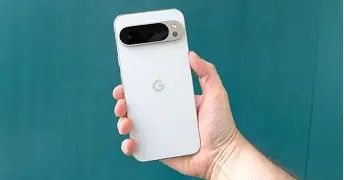
I noticed two very different philosophies in hand. The Red Magic feels like a purpose-built tool: thicker, heavier, and with a clear emphasis on ventilation and a tactile feel. It has cooling vents, a stiffer frame, and in my unit some subtle gamer styling that I appreciated while playing but that drew attention in quieter meetings. The Pixel 10 Pro Xl is more restrained—sleeker, lighter, and easier to pocket. I liked how the Pixel's curved edges and matte back fit in my palm for long single-handed use, but I did notice it was slipperier and required a case sooner than the Red Magic did.
One thing that bothered me about the Red Magic was the fan noise at high sustained load. It's not loud in quiet rooms, but I could hear a faint whir during extended sessions. The Pixel never made that sort of noise because it has no active fan, but under sustained CPU-heavy work it warmed up noticeably along the upper frame.
Display: smoothness vs color accuracy
Both phones shipped with impressively fluid displays. I found the Red Magic's higher refresh rate (which I left at its maximum most of the time) to be immediately noticeable in games: menus, swipe animations, and frame rates felt mechanically responsive. The Pixel, while smooth, felt tuned more toward natural color reproduction and contrast. If you spend most of your time gaming, the Red Magic's display makes interactions feel snappier. If you edit photos or watch movies, the Pixel's tuning produced colors that looked closer to what I expected from prints or other calibrated displays.
Brightness was fine on both in typical indoor use. Outdoors, the Pixel had a slight edge for legibility at peak brightness in direct sun—something I appreciated on walks and while shooting outdoors.
Performance and thermals
After testing both for weeks, what I found was a clear division in how they handle performance. The Red Magic is optimized for sustained high frame rates. I played intense titles for long stretches and the phone kept frame rates high thanks to active cooling and aggressive performance modes. You can feel the difference: load times were shorter and heavy scenes maintained smoother frame pacing. That said, enabling the highest performance modes reduced battery life considerably and made the phone warm—so I often toggled between "full throttle" while gaming and a milder profile for day-to-day tasks.
The Pixel 10 Pro Xl performed admirably in all normal tasks and most heavy apps. I ran benchmarks and complex multitasking scenarios and the Pixel was consistently snappy. However, when pushed with sustained gaming, it throttled earlier and more noticeably than the Red Magic. In my experience, the Pixel is excellent at burst performance and long-term stability for general use, while the Red Magic is the better choice for gaming sessions where raw, sustained frame delivery matters most.
Battery life and charging
Battery life was a mixed bag depending on how I used each device. With moderate use—email, messaging, navigation, and occasional streaming—the Pixel got me comfortably through a full day, and sometimes into the next morning with light use. The Red Magic, when used in conservative performance modes, also lasted a full day; but once I launched extended gaming sessions at max refresh rate and enabled RGB lighting in the UI, I found myself reaching for the charger earlier in the evening.
Shop the latest Mobile Phones picks on Amazon.
See Deals →I appreciated the Red Magic's fast wired charging in day-to-day recovery situations; it topped up quickly enough to get me back into a gaming session. The Pixel's charging felt more conservative in comparison, and I occasionally wished it charged a bit faster when I had only a short window to juice up.
Cameras — the Pixel's strong suit
In my experience, this is where the Pixel 10 Pro Xl pulled ahead decisively. The Pixel continues Google's tradition of excellent computational photography: low-light shots, portrait mode separation, and color rendering were consistently reliable. I used the Pixel for family gatherings and travel photos and rarely needed to retake a shot. Its automatic HDR and night modes produced images that required little to no post-editing.
The Red Magic's camera system is fine for quick snaps and social media uploads, but it didn't match the Pixel's dynamic range or processing in tricky lighting. I noticed blown highlights more often and softer details in low light. If you buy the Red Magic primarily for gaming and casual photos, you’ll get decent results, but if photography matters to you, the Pixel is the better daily companion.
Software, updates, and usability
The Pixel wins on software polish. I liked how the Pixel's UI felt uncluttered and how system updates arrived predictably. The Pixel's integration of helpful AI features and quick edits to photos saved me time, and I found fewer quirks overall. The Red Magic ships with a gaming-oriented skin and features—toggleable game modes, performance overlays, and remappable shoulder triggers. These extras are genuinely useful for a gamer, but there are occasional reminders of being in a niche OS: small notifications about gaming services, some bundled apps I didn't use, and settings that felt buried under gaming features.
One thing I appreciated on the Red Magic was the ability to deeply customize performance profiles. On the Pixel, the ecosystem is more curated and simpler—fewer knobs, but a smoother, more worry-free experience.

Audio, haptics, and daily use
Both phones had competent loudspeakers. I preferred the Red Magic slightly for gaming audio because its stereo tuning and sound stage made in-game positional audio more noticeable. The Pixel produced clearer dialogue and better-balanced playback for podcasts. Haptics on the Pixel felt more refined in normal use—subtle, consistent feedback that enhanced typing and system gestures. The Red Magic's haptics were serviceable but more aggressive, which sometimes felt mismatched with notifications and UI actions.
Connectivity and extras
I used 5G and Wi-Fi extensively on both phones and didn't face any odd network dropouts. The Red Magic's attention to accessories—shoulder triggers, game modes, and compatibility with docks and controllers—was a plus if you plan to build a mobile gaming setup. The Pixel's extras centered on helpful software features and tighter integration with cloud services and the Android ecosystem.
Price and value — what I paid attention to
Price is a big factor in the decision. The Red Magic offers gaming-first hardware that feels like a bargain if your main priority is performance per dollar for mobile gaming. I noticed that when comparing similar-tiered gaming phones, the Red Magic typically gives you more aggressive cooling and gaming features at a price that undercuts some mainstream flagships.
Looking for the best Mobile Phones deals on Amazon?
View Offers →The Pixel commands a premium for camera quality and software experience. For me, the Pixel felt like a good value if you prioritize photos, long-term software support, and a polished daily experience. In short: the Red Magic is value-driven for gamers; the Pixel is value-driven for photographers and users who want a refined, consistent phone experience.
Pros & Cons
Nubia Red Magic 10S Pro
- Pros: Outstanding sustained gaming performance, active cooling that keeps frame rates high, customizable performance profiles, fast wired charging, strong stereo audio for games.
- Cons: Noticeable fan noise under load, bulkier and heavier design, camera performance lags behind photographic flagships, gaming UI touches can feel cluttered, battery drains faster under max settings.
Google Pixel 10 Pro Xl
- Pros: Class-leading computational photography, refined software and haptics, good all-day battery life in normal use, comfortable and premium feel, reliable long-term updates and polish.
- Cons: Not optimized for sustained gaming performance, charging speeds are conservative compared to gaming flagships, can feel slippery without a case, less customizable for power users.
Head-to-head comparison
| Category | Nubia Red Magic 10S Pro | Google Pixel 10 Pro Xl |
|---|---|---|
| Design | Bulky, gamer-focused with vents and solid grip | Sleek, premium, more pocketable but slipperier |
| Display | Very high refresh rate; excellent for gaming | Great color accuracy and outdoor legibility |
| Performance | Optimized for sustained performance and frame rates | Very snappy for daily use; throttles earlier under long gaming stress |
| Cooling | Active cooling with audible fan at peak | Passive cooling; warms under load |
| Cameras | Good for casual shots; struggles in low light | Best-in-class computational photography |
| Battery & Charging | Fast charging; battery drains faster under max settings | Reliable all-day battery for normal users; slower charging |
| Software | Gaming skin with many customization options | Clean Android experience with timely updates |
| Best for | Mobile gamers and performance enthusiasts | Photographers and users who want a refined daily experience |
Buying guide — which one should you pick?
In my experience, the right choice depends on how you use your phone day-to-day. Here are the situations where each device made sense for me.
Pick the Nubia Red Magic 10S Pro if:
- You play demanding mobile games frequently and want the highest sustained frame rates possible.
- You value customizable performance profiles, shoulder triggers, and an active cooling system over camera quality.
- You don't mind a bit of extra weight and a phone that looks and feels like a gaming device.
- You want fast wired charging to minimize downtime between gaming sessions.
Pick the Google Pixel 10 Pro Xl if:
- You prioritize photos, especially low-light and portrait shots, and want consistent results without fiddling with settings.
- You prefer software polish, reliable updates, and refined haptics for everyday use.
- You want a phone that's comfortable to hold for long reading or browsing sessions and that slips into a pocket easily.
- You value a quieter, more conservative experience rather than maximum gaming performance.
Practical tip from my use: if you do both gaming and photography, think about whether you want one phone that tries to do both or two phones that specialize. I found having both made sense for my workflow—Red Magic for late-night gaming sessions and the Pixel for capturing family moments—although that's not a budget-friendly option for most people.
Final verdict
After several months with both phones, my conclusion is straightforward. The Nubia Red Magic 10S Pro is the phone to buy if your primary metric is sustained gaming performance and you want gaming-specific hardware and customizability. I was impressed by its ability to hold frame rates and how configurable the experience is for players who like to tweak settings.
The Google Pixel 10 Pro Xl is the phone to buy if you want the most consistent, polished smartphone experience day to day, and if photography is a priority. In my experience, the Pixel produced better photos across a variety of conditions and delivered a more refined software experience with fewer daily annoyances.
One thing I appreciated across both devices was that each clearly prioritized different user needs: the Red Magic is a serious gaming machine, and the Pixel is a thoughtful all-rounder. In the end, choose the one that aligns with your priorities: raw sustained performance and gaming features, or camera quality, software polish, and everyday comfort. For me personally, I kept the Pixel as my daily driver and reserved the Red Magic for dedicated gaming sessions—both served those roles very well.