The Truth About the Hero7 Black: Pros, Cons, and Verdict
Introduction
The GoPro Hero7 Black marked a turning point for action cameras when it launched, bringing software-driven stabilization and a set of shooting modes aimed at everyday users and prosumers alike. Years after its release, it remains a common choice on the used market and in the hands of creators who prize portability and dependable performance. This article examines the Hero7 Black from a practical, real‑world perspective: how it performs for common use cases, where it still holds up, and what buyers should weigh before deciding whether it’s the right camera for their needs.
Detailed Product Review and Analysis
Design and Durability
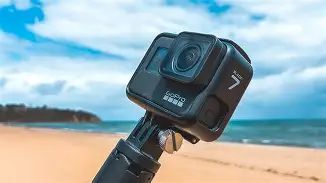
The Hero7 Black follows the compact, blocky GoPro tradition: a small, robust body designed to mount to helmets, handlebars, and a host of third‑party accessories. It is waterproof without an external housing to a recreational depth, making it suitable for swimming, kayaking, and light snorkeling. The control layout is simple—one front button for power and mode cycling and a shutter button on top. The rear touchscreen is responsive enough for framing and playback, though it is small compared with dedicated mirrorless or compact cameras.
Video Quality and Performance
Video quality is the Hero7 Black’s main selling point. It records high-resolution footage suitable for social sharing, vlogs, and most action sports. The headline feature, electronic image stabilization branded as HyperSmooth, smooths out handheld and helmet‑mounted footage to a degree that previously required gimbals. That stabilization is software-based and works especially well when the camera has a relatively steady horizon and forward motion, such as on a bike, snowboard, or when running with good form.
Color reproduction out of the camera is generally pleasing: punchy, high-contrast, and ready for quick edits. For creators who want more control, GoPro’s Protune settings unlock manual control over white balance, ISO limits, and flat color profiles for better grading in post. Low-light performance is decent for a small sensor action camera but remains a limiting factor—expect noticeable noise in dim interiors or night scenes compared with larger‑sensor cameras.
Stabilization: HyperSmooth and TimeWarp
HyperSmooth is the feature most cited by buyers. In practice, it delivers impressively steady video without additional gear, smoothing out shake from handlebars, chest mounts, and even moderate vibration from motorcycles. TimeWarp (a stabilized time‑lapse mode) leverages similar processing to create smooth, accelerated sequences that work well for travel and long rides. However, HyperSmooth can crop the image slightly to compensate for motion, which reduces the available field of view compared with raw wide-angle capture.
Photo and Burst Modes
The Hero7 Black captures stills with a competent sensor and offers useful automated modes like SuperPhoto (an optimized HDR/processing mode) and burst sequences for capturing fast action. Single-frame image quality is fine for social and documentary uses, though low-light stills will be outperformed by larger-sensor cameras or modern smartphones in many conditions.
Audio Capture
Built-in microphones handle voice and ambient sound with reasonable clarity for an action camera, but wind noise can be intrusive at high speeds. Users who need interview‑grade audio or dialogue will typically pair the Hero7 with an external microphone via an adapter or use a separate audio recorder and sync in post.
Battery Life and Practical Runtime
Battery life is a pragmatic constraint. Recording in high resolutions or high frame rates drains battery faster, and features like GPS and Wi‑Fi further reduce runtime. For day trips or extended sessions, owners often bring spare batteries or a compact power bank. The camera’s removable battery makes swaps straightforward, and the small battery size keeps the device lightweight.
Discover deals on Electronics — updated daily.
Browse Now →Software and Ecosystem
GoPro’s mobile app (Quik) and desktop software simplify quick edits and social uploads. For many users, the ability to offload clips, do lightweight edits, and produce shareable videos quickly is a critical advantage. Firmware updates historically added useful features and refinements, so buyers should check the firmware version when purchasing used units and keep the camera updated for best results.
Mounting and Accessories
The GoPro ecosystem is one of its strongest assets. A huge range of mounts, chest harnesses, suction cups, and specialty brackets make the Hero7 adaptable to nearly any activity. Because it uses the standard GoPro mounting system, compatibility is broad and inexpensive mounts are easy to find. Prospective buyers should budget for a few essential accessories (extra batteries, a frame or housing for cold water use, and a microSD card with adequate speed ratings for high‑bitrate recording).
Pros & Cons
- Pros:
- HyperSmooth stabilization: Industry-leading stabilization for a camera of its size, often obviating the need for a gimbal.
- Compact and rugged: Waterproof without additional housing, built for action sports and travel.
- Wide accessory ecosystem: Extensive mounts and third‑party accessories for many use cases.
- Good color and quick social workflow: Vibrant out‑of‑camera colors and seamless smartphone integration for fast sharing.
- Removable battery and microSD storage: Practical for multi‑hour shoots with spares.
- Cons:
- Low‑light limitations: Small sensor means noise and loss of detail in dim conditions compared with larger cameras.
- Battery life: Shorter runtime at high resolutions; spares are effectively required for extended use.
- Audio challenges: Wind and high-speed noise can degrade onboard audio quality; external mics require adapters.
- Processing crop: Stabilization can slightly crop the field of view, reducing extreme wide-angle framing.
- Age and support: As an older model, it lacks a few modern conveniences found in later GoPro releases (integrated mounting, updated stabilization algorithms, and newer image processing).
How the Hero7 Black Performs in Real-World Use Cases
Action Sports (Mountain Biking, Skiing, Surfing)
For mountain biking and skiing, the Hero7 Black’s stabilization and rugged build make it a natural fit. Mounted on a helmet or chest harness, footage is significantly smoother than un‑stabilized action cams, and TimeWarp sequences can condense long rides into cinematic clips. For surfing or other water sports, the waterproof design is convenient, though extreme or deep‑water use benefits from a full protective housing and attention to lens care to avoid saltwater corrosion.
Travel and Vlogging
Travel creators appreciate the camera’s lightweight form, quick turnaround editing via the mobile app, and the social-ready look of the footage. Vloggers who value portability over shallow depth of field will find the Hero7 an easy second camera for B-roll, POV footage, and time‑lapses. The touchscreen makes framing simple, but for on‑camera talking heads or studio vlogging, a larger sensor camera or smartphone with better low-light and depth will often be preferable.
Motorized Activities (Motorcycles, Cars)
When used on motorcycles or inside cars, stabilization tames vibration but wind noise becomes a bigger issue; riders who want clear audio should plan external mic solutions or post‑production audio replacement. Mounting points are plentiful, and the camera’s ruggedness handles the bumps and exposure to the elements that these activities involve.
Underwater Filmmaking
For casual underwater use, snorkeling, and occasional diving, the camera is effective. Underwater color correction in post improves results, and pairing the Hero7 with a flat or dome port housing expands creative options. Serious divers often prefer dedicated housings and lighting accessories to overcome the low-light and color‑loss challenges underwater.
Comparison Table: Hero7 Black vs Closely Related Options
| Feature | Hero7 Black | Hero6 Black | DJI Osmo Action | Hero8 Black |
|---|---|---|---|---|
| Stabilization | HyperSmooth electronic stabilization—very effective for handheld and helmet POV | Electronic stabilization—less refined than HyperSmooth | RockSteady stabilization—comparable to early HyperSmooth | HyperSmooth 2.0—improved stability and less cropping |
| Max Video Resolution | High-resolution 4K recording with high-frame-rate options | High-resolution 4K recording with high-frame-rate options | 4K recording with competitive frame-rate options | 4K recording with robust frame-rate support and improved bitrates |
| Waterproofing | Waterproof to recreational depths without housing | Waterproof to recreational depths without housing | Waterproof to recreational depths without housing | Waterproof to recreational depths without housing |
| Mounting | Standard GoPro mounting system | Standard GoPro mounting system | Similar mounting—adapter available for GoPro mounts | Built-in fold-out mounting fingers (no frame required) |
| Software & Ecosystem | GoPro app/quik ecosystem; reliable editing and upload workflow | GoPro app support; fewer stabilization features | DJI Mimo app; good editing tools and front screen for vlogs | GoPro app/quik with enhanced features |
| Best For | Stabilized POV, travel, action sports, quick social edits | Action footage where stabilization is less critical | Vloggers who want front screen plus action‑cam performance | Users wanting improved stabilization and more pro features |
Buying Guide: Is the Hero7 Black Right for the Buyer?
When deciding whether to buy a Hero7 Black, consider the following questions and factors. These reflect what buyers typically care about and help determine whether the camera will meet practical needs.
1. What activities will be recorded most often?
If the primary use is action sports—cycling, skiing, kayaking—the Hero7’s stabilization and ruggedness are major benefits. For studio vlogging, low-light indoor shooting, or cinematic shallow depth-of-field, a larger-sensor camera may be a better primary option.
Shop the latest Electronics picks on Amazon.
See Deals →2. How important is stabilization?
HyperSmooth is a standout feature and a key reason many buyers choose the Hero7. If smooth hand-held or helmet footage without a gimbal is essential, the Hero7 is a sensible choice. If a buyer already owns a gimbal or plans to edit extensively, stabilization may be less decisive.
3. Will the buyer accept trade-offs in low-light and audio?
Understand the limits: small sensors mean compromises in low light, and onboard audio can struggle with wind. Buyers who need excellent low-light performance or pristine audio might plan to pair the Hero7 with external microphones, lights, or a second camera.
4. New vs Used: budget considerations
The Hero7 Black is several generations old; new units may be hard to find, but used cameras are plentiful and affordable. For budget-conscious buyers, a well-maintained used Hero7 can deliver excellent value. Inspect used units for lens scratches, water damage, and battery health, and confirm firmware is up to date.
5. Accessories and workflow
Factor in the cost of essentials: extra batteries, a fast microSD card, and a simple mounting kit. If the buyer values quick social sharing, test the mobile app workflow to ensure it meets expectations. For creators who edit heavily, verify that the chosen editing software handles the camera’s file formats and bitrates smoothly.
6. Future upgrade path
If future-proofing is a priority, consider newer GoPro models for improved low-light performance, better stabilization algorithms, and integrated mounting solutions. However, the Hero7 still holds up for many users and can be an excellent secondary camera.
Practical Tips for Getting the Most from a Hero7 Black
- Carry spare batteries and a small power bank for multi‑hour outings.
- Use Protune settings when planning to color grade—manual ISO and white balance improve consistency.
- Invest in a wind‑reducing microphone setup or plan for audio replacement in post for high-speed activities.
- Choose a high‑quality, UHS‑I microSD card rated for sustained write speeds to avoid dropped frames during high-bitrate recording.
- Keep firmware updated and periodically clear the camera’s cache to maintain reliable performance.
Conclusion
The GoPro Hero7 Black remains a compelling tool for people who want a compact, hard‑wearing camera that produces stabilized, shareable footage with minimal fuss. Its HyperSmooth stabilization and broad mounting ecosystem make it ideal for action sports, travel, and POV filming. Trade-offs include limited low-light performance, the need for spare batteries on long outings, and onboard audio that requires care in windy conditions. For buyers on a budget or those seeking a proven action camera for hands‑on, movement‑heavy shooting, the Hero7 Black offers strong real-world value—especially when purchased used or as a secondary rig. Those seeking the absolute best low-light performance, the latest stabilization algorithms, or integrated mic improvements should evaluate newer models; for many users, however, the Hero7 Black still delivers the core benefits that made GoPro popular in the first place.